Description
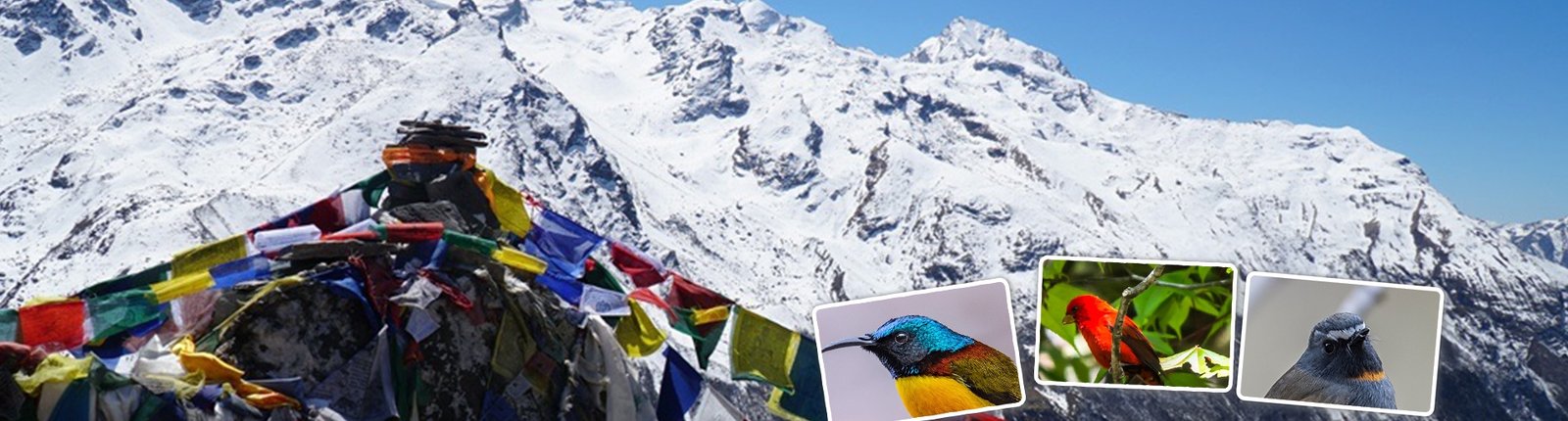
Hundreds flock to the Phobjikha Valley, a glacial valley in a remote area with no electrical power. Here the Black Neck Cranes are conservatory protected and can be viewed. There are many legends and myths about this bird. The Bhutanese call it Thrung Throng. Black Neck Crane Dancers honor the bird with a festival dance. Other migratory birds as the Pailas' fish eagle which is considered rare, migrates through Bhutan between Tibet and northern India. This bird is often seen near Wangdi near spring. Often it will be spotted with Ospreys and Pied Avocet. Wintertime brings numerous species down to lower altitudes, including accentors, rose finches, grosbeaks, snow pigeons and pheasants such as the satyrtragopan, the Himalayan monal and the blood pheasant.
Even the casual observer can be sure to see the blue whistling-thrush, yellow blue magpie, the wall creeper, white capped water redstarts, spotted nutcracker in the pine forest and the red-billed choughs on the roofs on the dzongs. All animals in Bhutan are protected by the Buddhist ethic that prohibits killing. Further protection in the 1995 Forest and Nature Conservation Act defines several species as totally protected. Black Neck Cranes, Monal Pheasant, Peacock, Pheasant, Raven and the Rufous-Necked Hornbill.
🏔️ Trek Packing List ❄️
👕 Clothing
✅ Thermal Base Layers (2 sets) – Stay warm in freezing temperatures.
✅ Quick-Dry Trekking T-Shirts (2–3) – Comfortable and breathable.
✅ Fleece Jacket (1) – Perfect mid-layer for extra warmth.
✅ Down Jacket (1) – Essential for cold mornings and nights.
✅ Waterproof/Windproof Jacket (1) – Protects against rain, wind, and snow.
✅ Trekking Pants (2) – Lightweight and quick-drying.
✅ Waterproof Rain Pants (1) – Recommended for unexpected weather.
✅ Warm Beanie – Keeps your head warm.
✅ Sun Hat/Cap – Protects from strong mountain sun.
✅ Neck Buff/Gaiter – Shields against cold wind and dust.
✅ Warm Gloves – Essential for higher elevations.
✅ Lightweight Gloves – Comfortable for lower altitudes.
✅ Wool/Thermal Socks (4–5 pairs) – Warm and comfortable.
✅ Underwear & Sleepwear
🥾 Footwear
👢 Waterproof Trekking Boots – Must be well broken-in before the trek.
🩴 Camp Shoes/Sandals – Comfortable after trekking.
❄️ Gaiters (Optional) – Useful if there is snow.
🎒 Trekking Gear
🎒 Day Backpack (30–40L)
🌧️ Rain Cover for Backpack
🥾 Trekking Poles – Highly recommended to reduce knee strain.
🔦 Headlamp + Spare Batteries
💧 2 Water Bottles (1L each) or Hydration Bladder
☕ Thermos Flask – Keeps drinks warm.
🕶️ UV-Protected Sunglasses
🛏️ Sleeping Gear
🛌 Sleeping Bag (-10°C to -15°C Rating)
🧺 Sleeping Bag Liner (Optional)
🧴 Toiletries
🪥 Toothbrush & Toothpaste
🧼 Soap/Shampoo
🧴 Sunscreen (SPF 50+)
💋 Lip Balm
🧴 Moisturizer
🧻 Toilet Paper
🧻 Wet Wipes
🧴 Hand Sanitizer
🏃 Quick-Dry Towel
💊 Personal First Aid
💊 Personal Medications
🤕 Pain Relief Medicine
🩹 Blister Plasters
🧴 Antiseptic Cream
💧 ORS (Electrolytes)
🤒 Cold & Flu Medicine
🚗 Motion Sickness Tablets (if needed)
📱 Electronics
📱 Mobile Phone
📷 Camera (Optional)
🔋 Power Bank (10,000–20,000 mAh)
🔌 Charging Cables
🌍 Universal Travel Adapter
🍫 Snacks
🍫 Chocolate
🥜 Trail Mix
🍪 Energy Bars
⚡ Electrolyte Tablets
📄 Important Documents
🛂 Passport
📄 Nepal Visa
🛡️ Travel Insurance (Covering Trekking up to 4,130 m)
🎫 Flight Tickets
💵 Nepali Rupees (Cash for drinks, Wi-Fi, charging, hot showers & tips)
⭐ Optional
❄️ Microspikes (If snow or ice is expected)
📖 Book/Kindle
🃏 Playing Cards
📓 Notebook & Pen
🔭 Binoculars
🎉 Have an amazing adventure!
🏔️ Trek smart • 💧 Stay hydrated • 🌞 Protect yourself from the sun • ♻️ Respect nature • 😊 Enjoy every step!

 Have Questions?